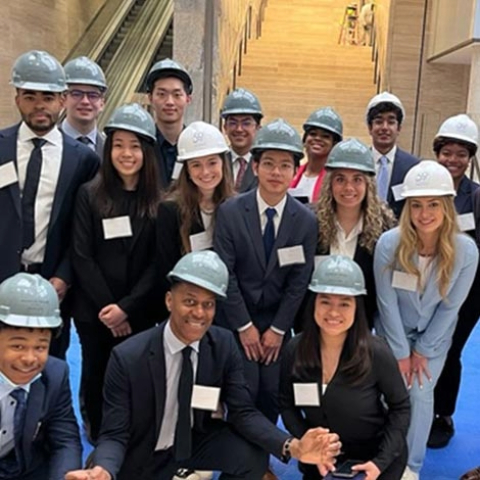
This 15-credit minor guides students in integrating disciplines to shape sustainable places that:











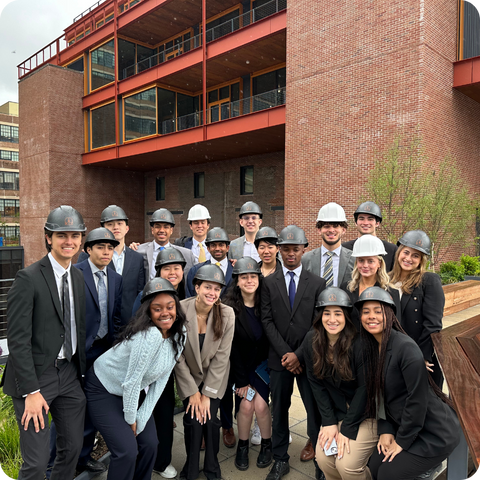
At Michigan, you’ll explore how policy, finance, and economics shape the built environment and influence outcomes across communities, geographies, and markets.
You’ll gain a foundation in the principles of real estate development, finance, and management while evaluating the systems that drive how properties are built, funded, and operated for diverse uses and populations. Along the way, you’ll engage with professionals across the industry, connect with alumni and local practitioners, and collaborate with fellow students who share your interests.
Beyond the classroom, you’ll have the chance to participate in co-curricular opportunities like the Michigan Real Estate Club, the annual RE:Con conference, public programs, and industry internships—building the skills, knowledge, and network to thrive in real estate and development.


the ways in which policy, finance, and economics shape the built environment and produce a varied set of outcomes that are dependent on geography, access to information and capital, demand, and available resources.
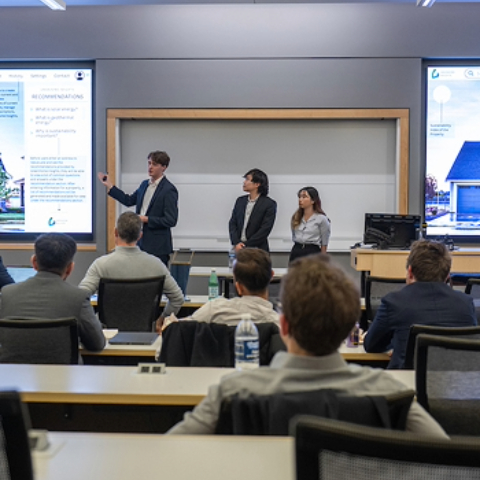
and understand our existing mechanisms for constructing, financing, and managing property developed for a myriad of use types, populations, and specific conditions.

an ability to understand the basic principles of development, finance, and management of a variety of assets.
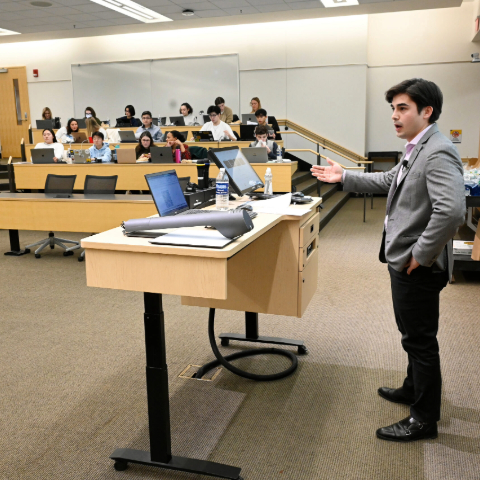
with a range of professions seeking a basic knowledge and understanding of the development process.

with fellow students interested in the field, and with alumni, local practitioners, and thought leaders working in areas that touch various aspects of sustainable real estate and development.

in co-curricular activities such as the Michigan Real Estate Club and its annual RE:Con conference, real estate-related public programs, and industry internships.